
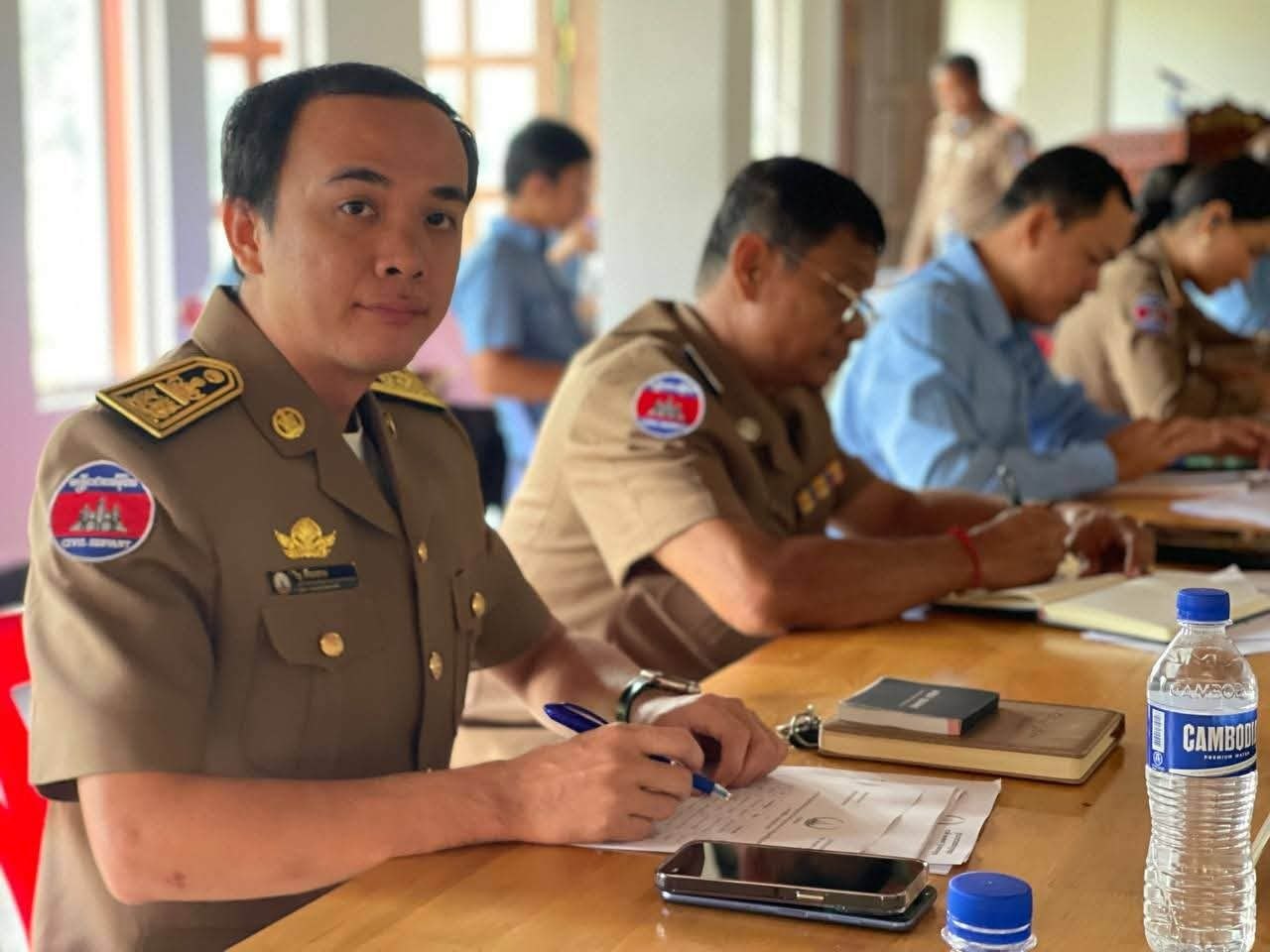
Mr. Soy Phea, 58, a village chief who lives in Ou Doun Pov Village, Khleang Meas Commune, Bavel District, Battambang Province. He currently serves as the Village Chief of Ou Doun Pov, a key position responsible for leading village development and resolving community issues.
At the beginning of his role, Mr. Phea faced many challenges. Local issues were becoming more complex, especially land disputes and family conflicts. He felt that his knowledge and skills were limited. To improve his ability to serve the community, he committed himself to learning and actively joined training opportunities.
Since 2012, he got training on Local Alternative Dispute Resolution (LADR) organized for local officials and committee members. As of now, he is the focal person for resolving conflicts at the village level. The most frequent cases involve land boundary disputes and family problems such as divorce or jealousy. Usually, families try to solve problems by themselves for several months. When they fail, they come to the Village Chief for support.
From the knowledge gained, Mr. Phea has applied a clear and systematic approach to conflict resolution. He met each party separately, conducted a fact-finding process, and then organized a joint discussion with all involved parties and witnesses. Depending on the case, it usually takes one to two months to reach an agreement.
Mr. Phea confidently shared that almost all cases he has handled have been resolved successfully at the village level. He believes that conflicts can now be resolved without referring them to the commune authority, known as Commune Dispute Resolution Committee (CDRC). He emphasized that the conflict resolution training provided by LHCO was the most practical and useful for his work.
Beyond resolving disputes, Mr. Phea actively promotes peaceful conflict resolution during village meetings, ceremonies, festivals, and weddings. Through continuous awareness-raising, villagers now better understand negotiation, mediation, and peaceful dialogue. Community members also share this knowledge with others. He shared that training, hands-on practice, regular monitoring, and follow-up support helped him become a strong and reliable community leader.
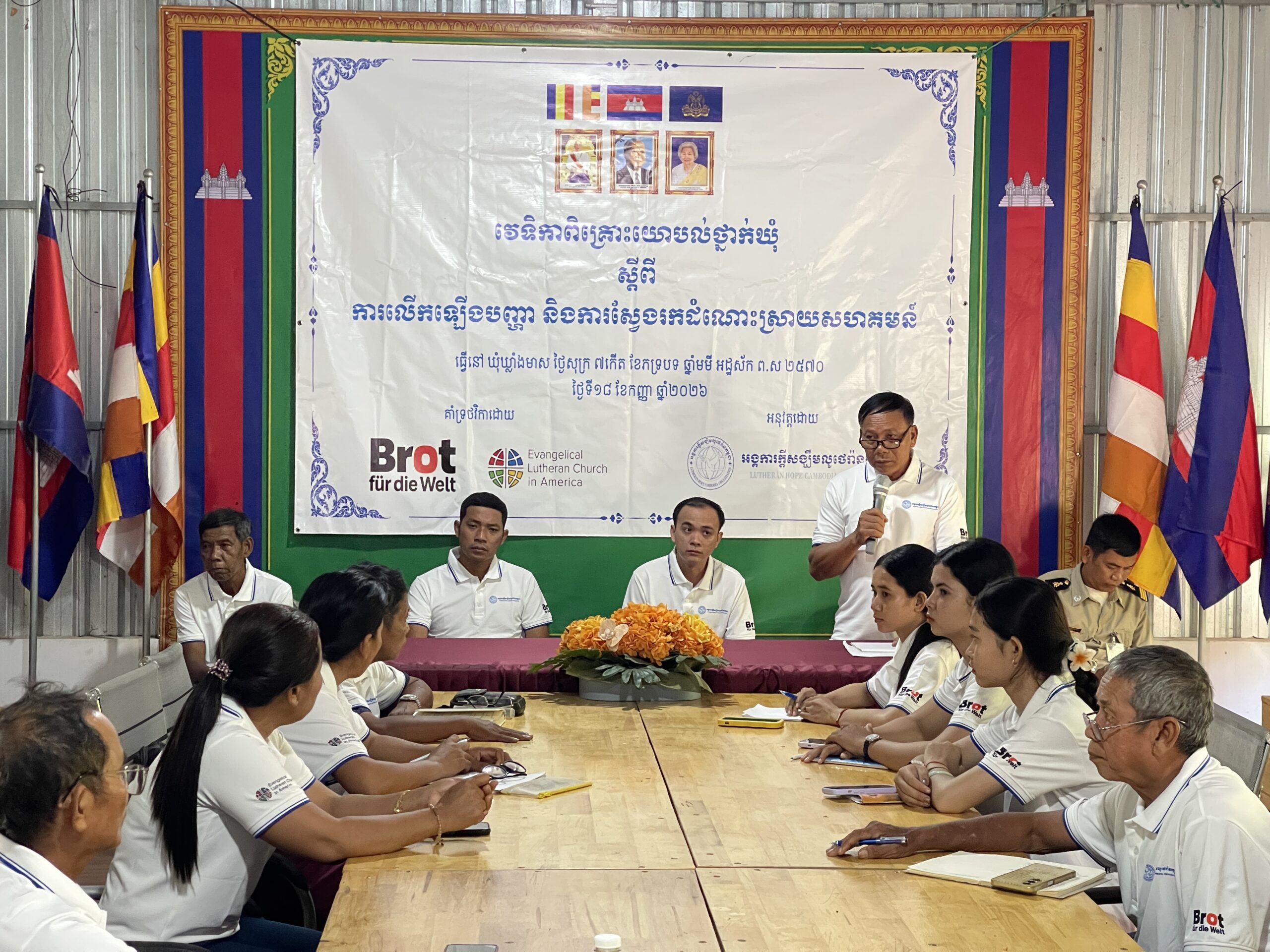 Commune-Level Consultation Forum Strengthens Legal Awareness and Dispute Resolution
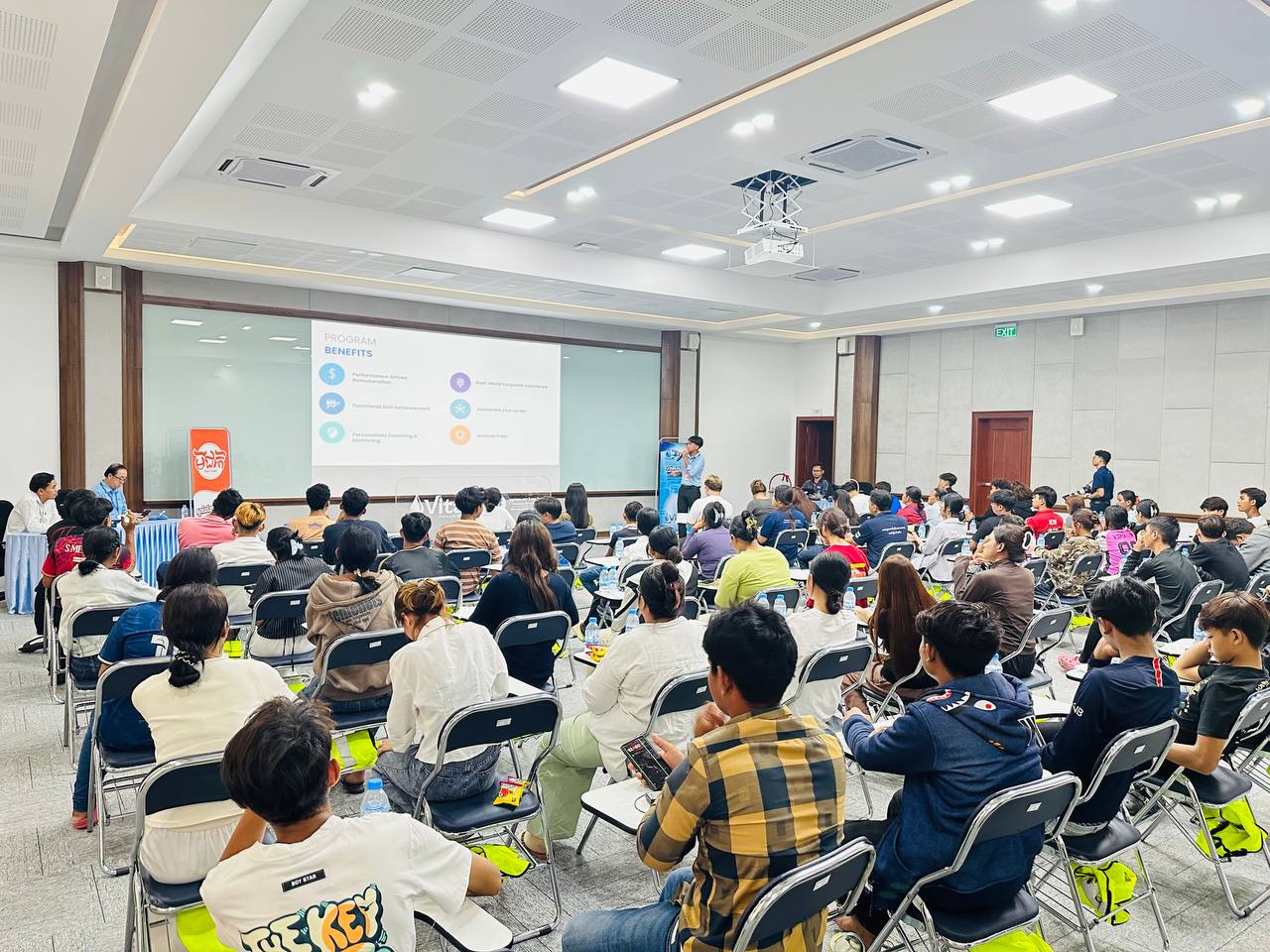 Inspiring Future Careers: Youth Gain Practical Insights
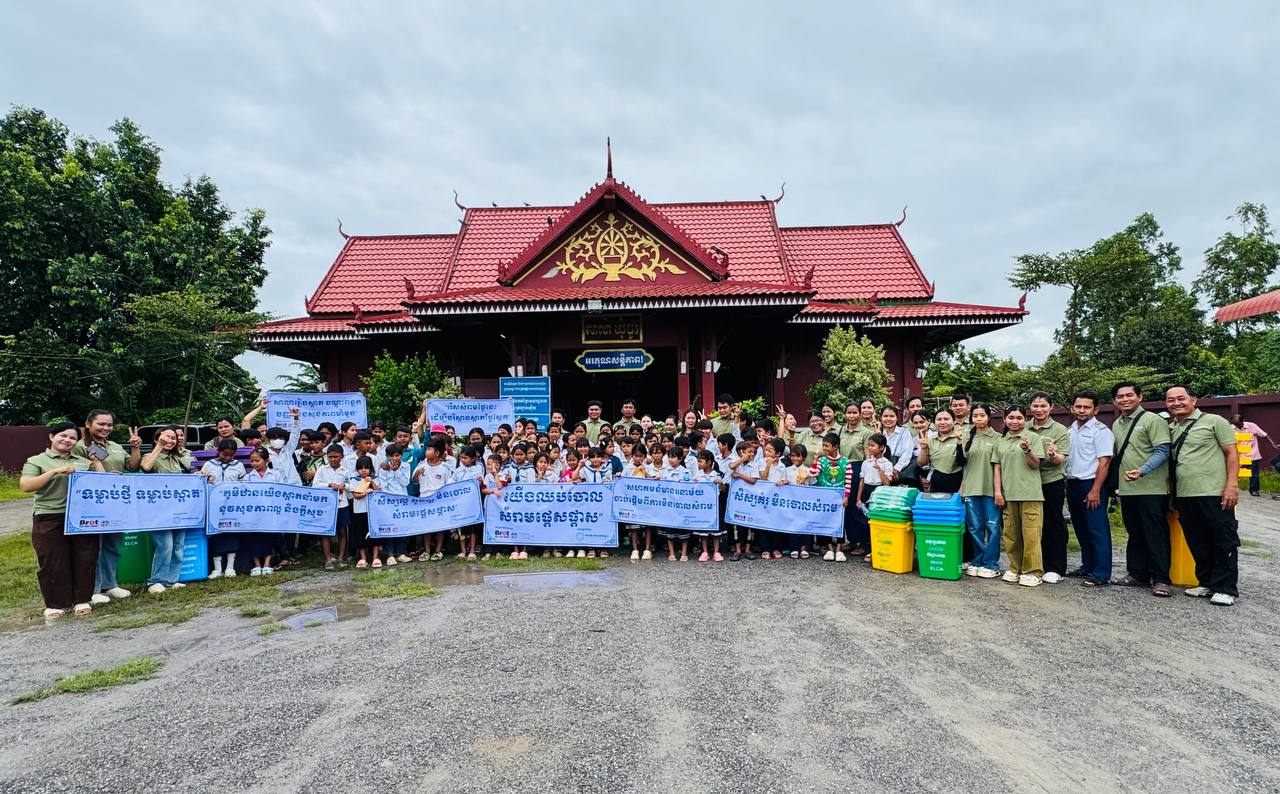 Building a Cleaner Community Through Waste Management and Environmental Action
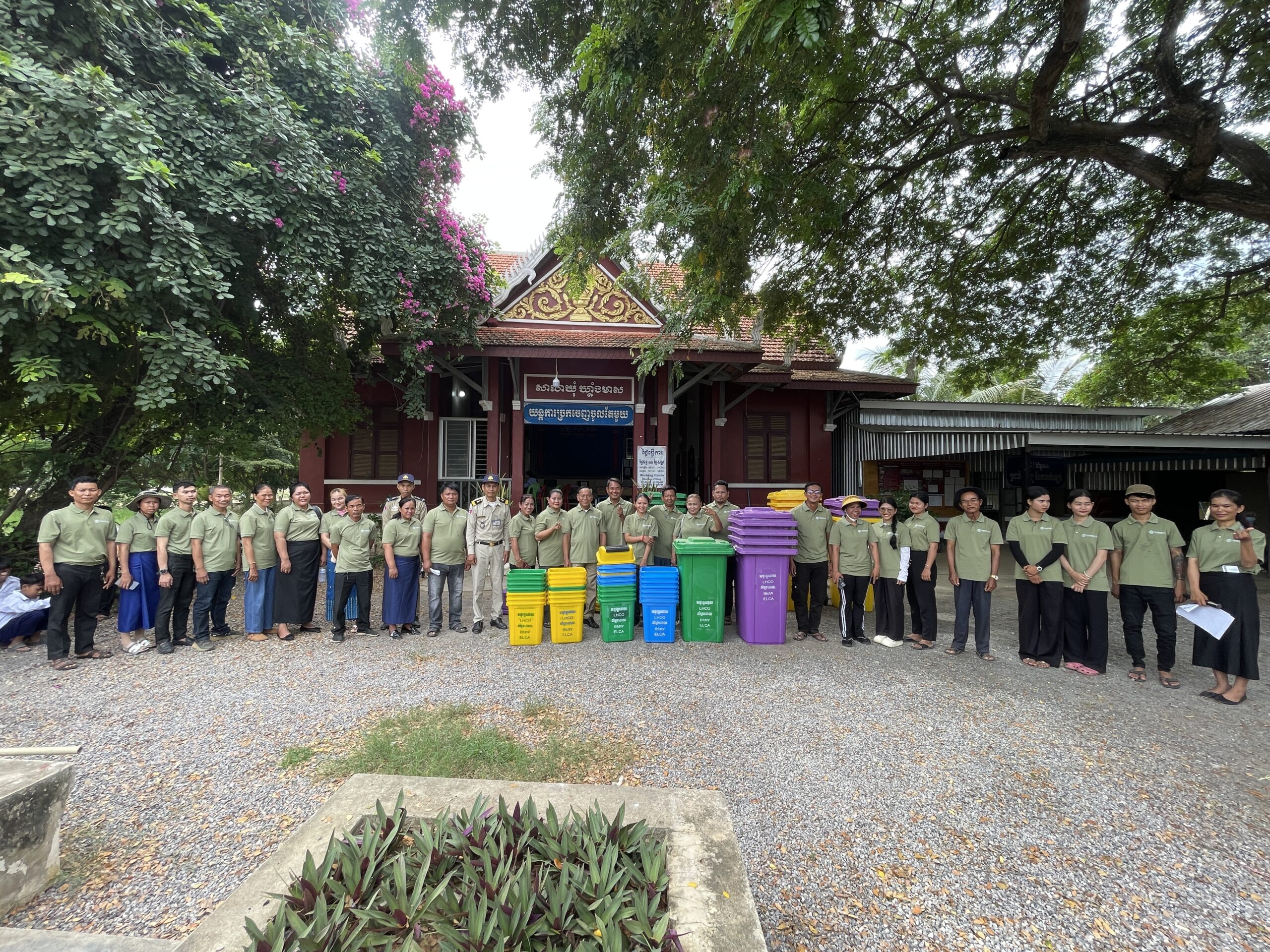 School and Community Cleanup Campaign Promotes Waste Management and Environmental Sustainability in Khleang Meas Commune