
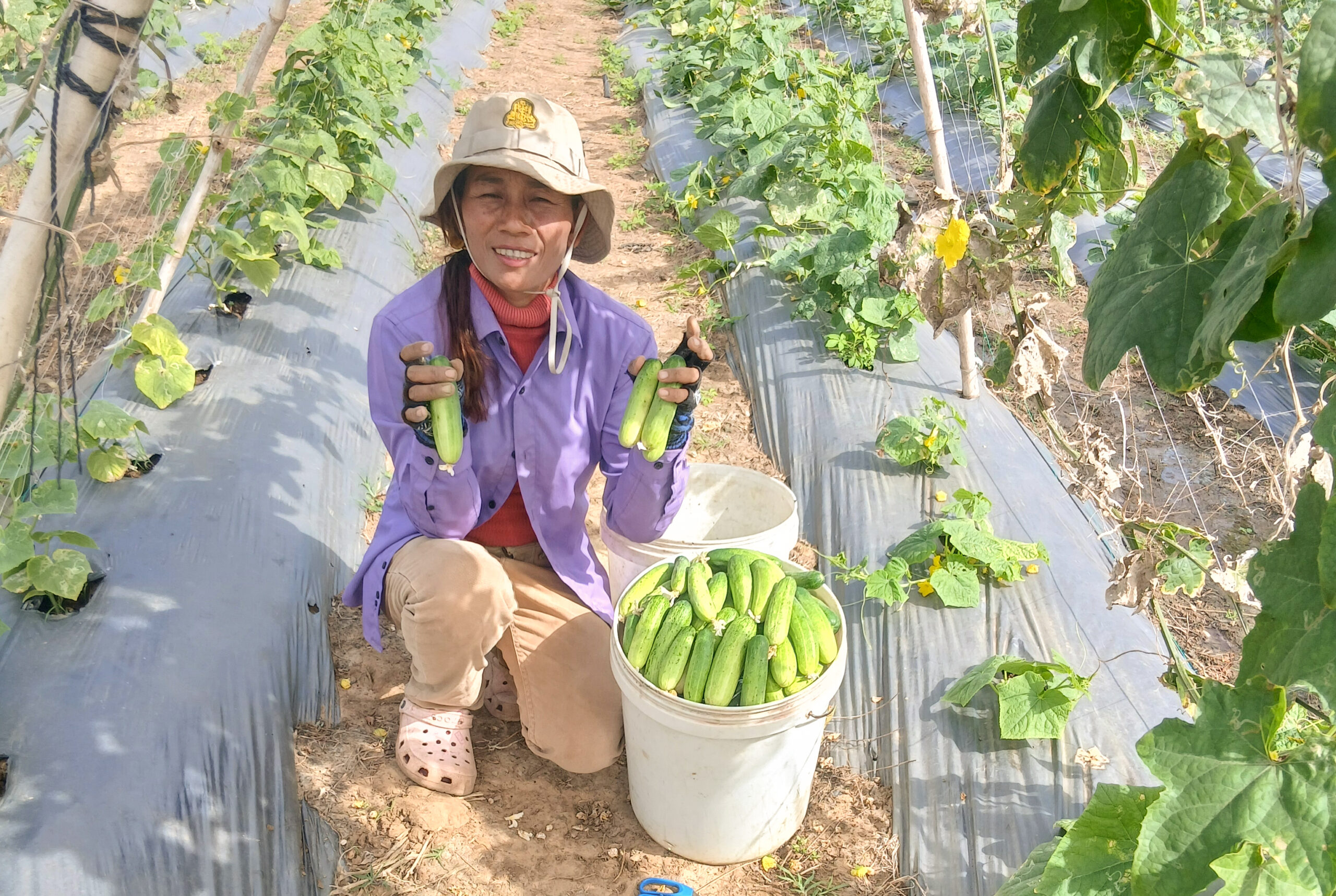
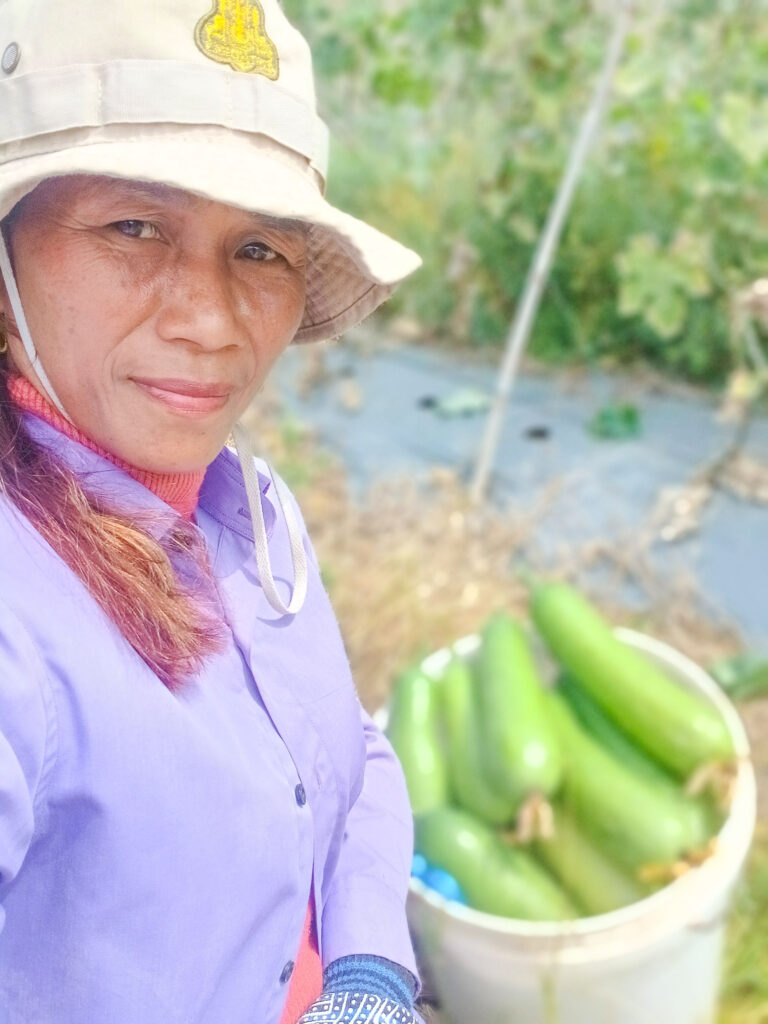
Ms. Sot Phalla, a single mother of three daughters from Kbal Teuk Leu Village, Kampong Speu Province, has shown remarkable resilience in overcoming economic hardship. As the sole provider for her family, she has always prioritized her children’s education despite limited income and challenging living conditions.
Before joining the project, Ms. Phalla relied on traditional farming methods that were labor- intensive, costly, and highly vulnerable to climate change. She faced significant challenges, including financial constraints, heavy physical workload, and low, unstable crop yield due to the lack of irrigation and modern farming infrastructure. These difficulties made it hard for her to support her household and ensure consistent schooling for her children.
Through support from the project, Ms. Phalla experienced transformative changes in her livelihood. She received some resources such as a greenhouse, open-field farming support, and a solar-powered water pump through the cooperative’s investment fund. In addition, she participated in training on vegetable production and basic marketing, which enhanced her technical skills, confidence, and farm management capacity.
As a result, her farming productivity significantly improved. The solar water pump reduced both labor and production costs, allowing her to manage her farm more efficiently while caring for her children. With the ability to grow high quality vegetables year-round, her income increased to approximately 2,000,000 Riels (USD 500) per month. This stable income has enabled her to consistently support her daughters’ education and improve their future prospects.
Ms. Phalla’s story highlights the importance of integrating climate-smart technologies, capacity building, and cooperative-based investment. Such support not only strengthens resilience to climate change but also empowers women economically, leading to better outcomes for their families, especially in education and well-being.
Her journey demonstrates the significant impact of the project on sustainable livelihoods, gender equality, and community resilience.
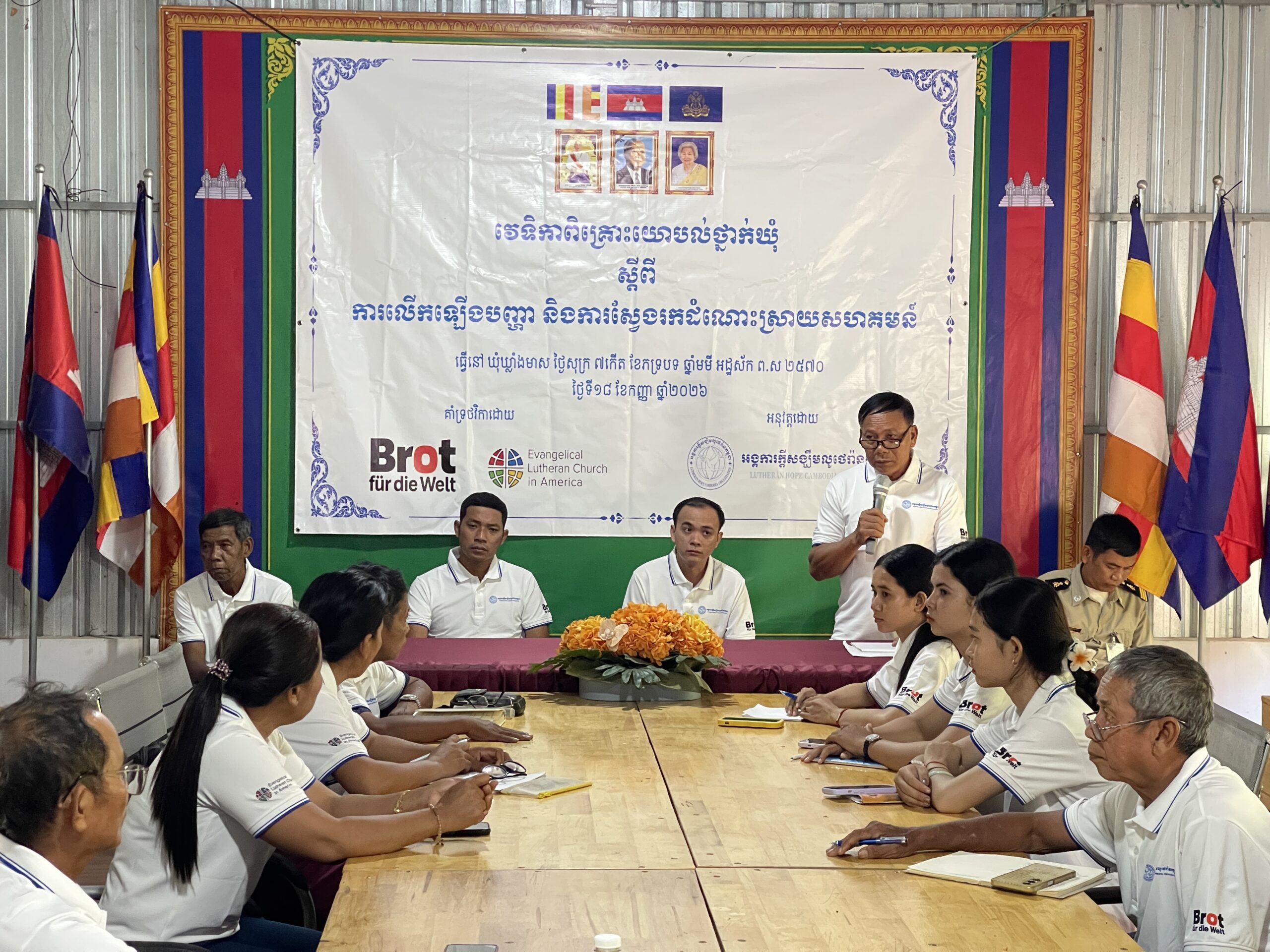 Commune-Level Consultation Forum Strengthens Legal Awareness and Dispute Resolution
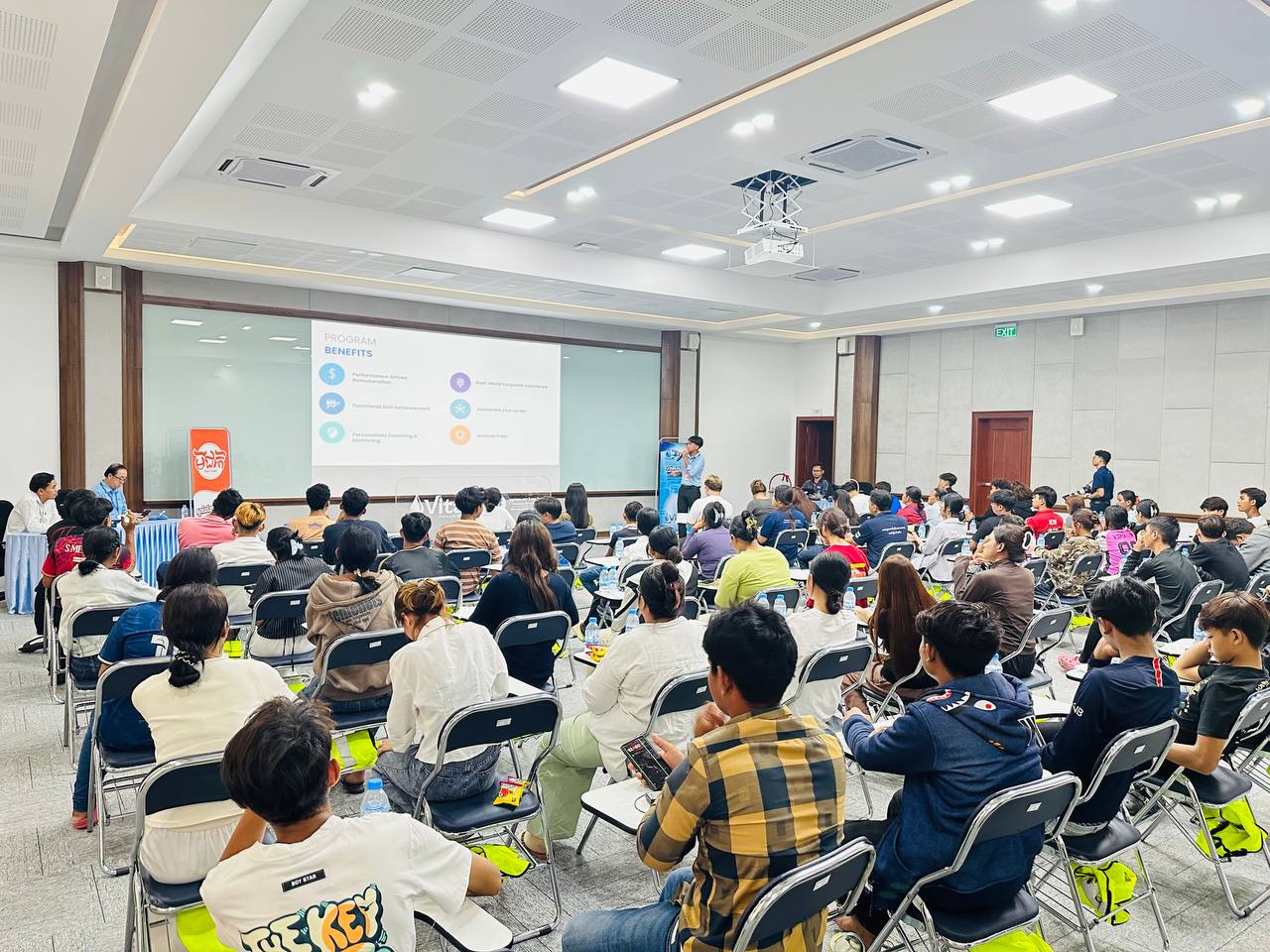 Inspiring Future Careers: Youth Gain Practical Insights
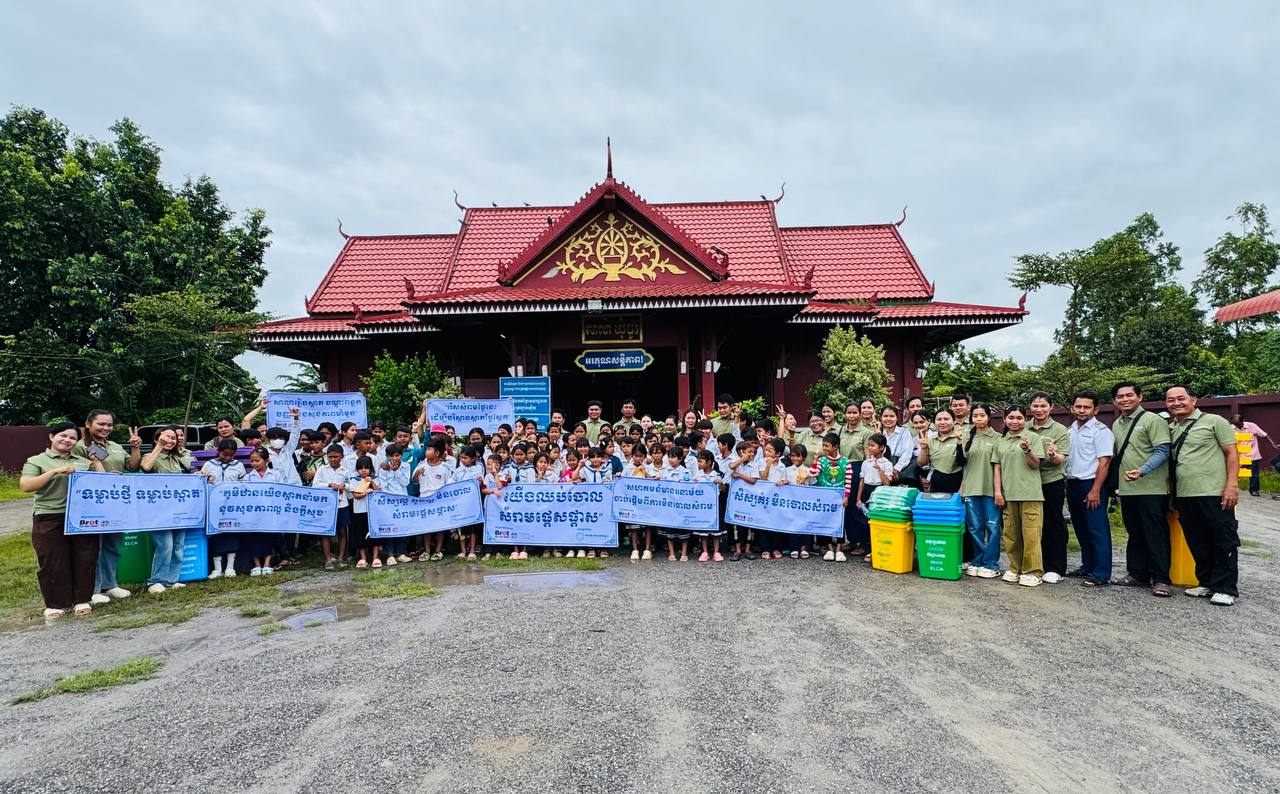 Building a Cleaner Community Through Waste Management and Environmental Action
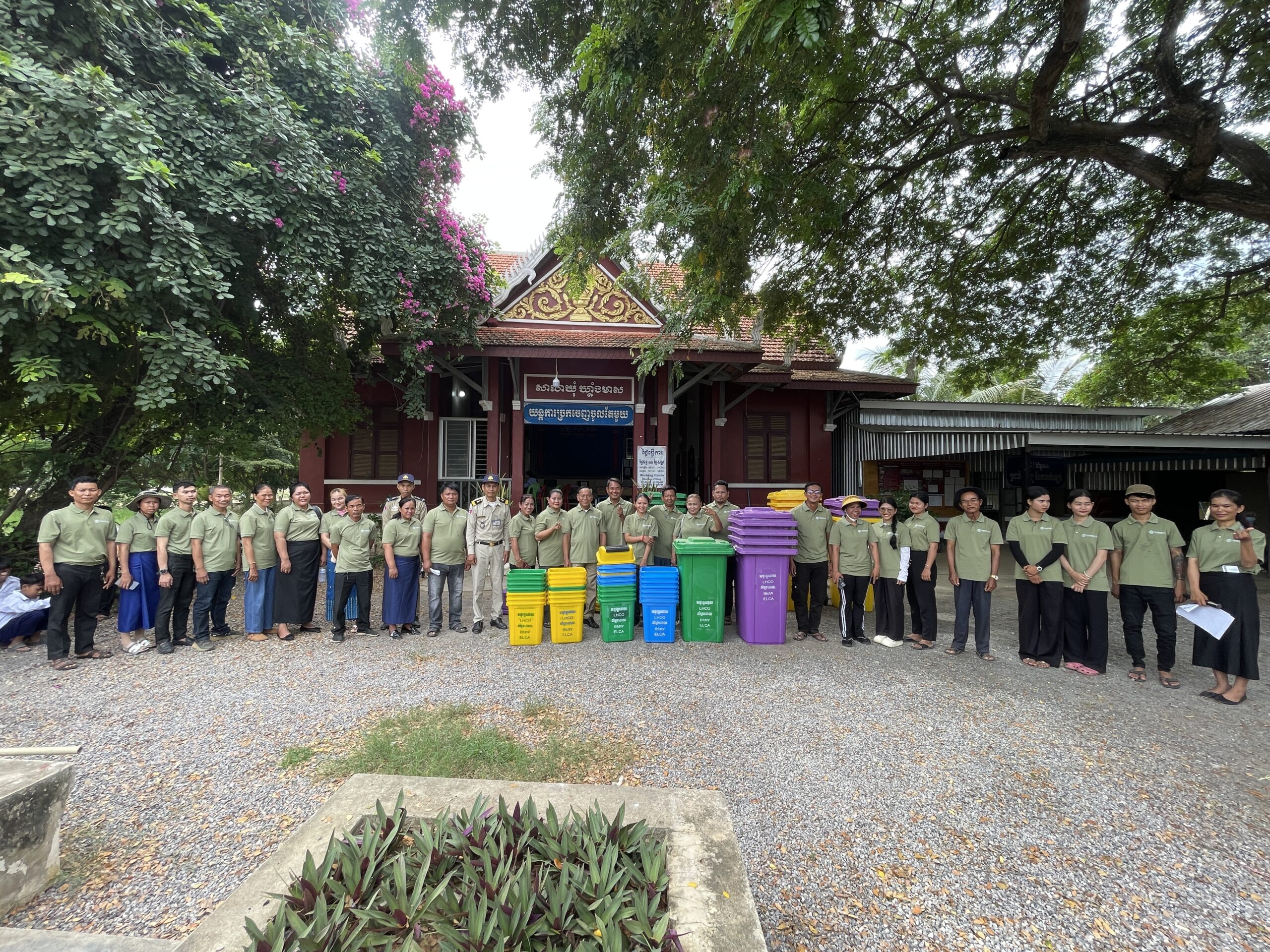 School and Community Cleanup Campaign Promotes Waste Management and Environmental Sustainability in Khleang Meas Commune