
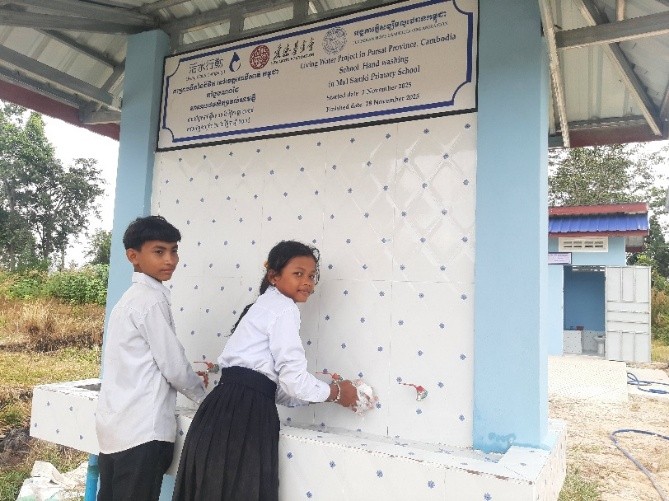
Mul Samaki Primary School, located in a remote area of Santrea Commune, Phnom Kravanh District, Pursat Province. The project benefitted 119 students (54 girls) and 04 teachers. Before the project intervention, the school faced serious WASH challenges. It had no toilets or handwashing facilities, forcing students to use nearby forest areas. This situation created safety risks, especially for girls and led to poor hygiene, frequent illnesses such as diarrhea and stomach pain, and disruptions to students’ learning and attendance.
Lim Sreymar, a 12-year-old Grade 6 student, described how the lack of sanitation facilities made students feel unsafe, uncomfortable, and embarrassed. Health issues caused by poor hygiene also reduced students’ concentration and motivation to attend school regularly.
Moreover, a need assessment confirmed the urgent need for intervention. In 2025, the intervention included the construction of a sanitation block with three toilet rooms, a handwashing station, and a solar-powered system to support water supply and classroom electricity. Hygiene promotion activities were also conducted to improve students’ knowledge of handwashing and food safety.
The project resulted in significant improvements. Students now have access to clean and separate toilets, enhancing their safety, dignity, and comfort—especially for girls. Proper handwashing facilities have improved hygiene practices and reduced common illnesses, leading to healthier students and more consistent school attendance. The overall learning environment has become safer, more inclusive, and more supportive.
This change is particularly important because it does not only address the immediate health and safety concerns but also improves students’ confidence, well-being, and participation in education. The school is now a healthier and more conducive place for learning.
She also hopes that similar interventions can be extended to other remote schools facing sanitation challenges, ensuring better health and education outcomes for all students.
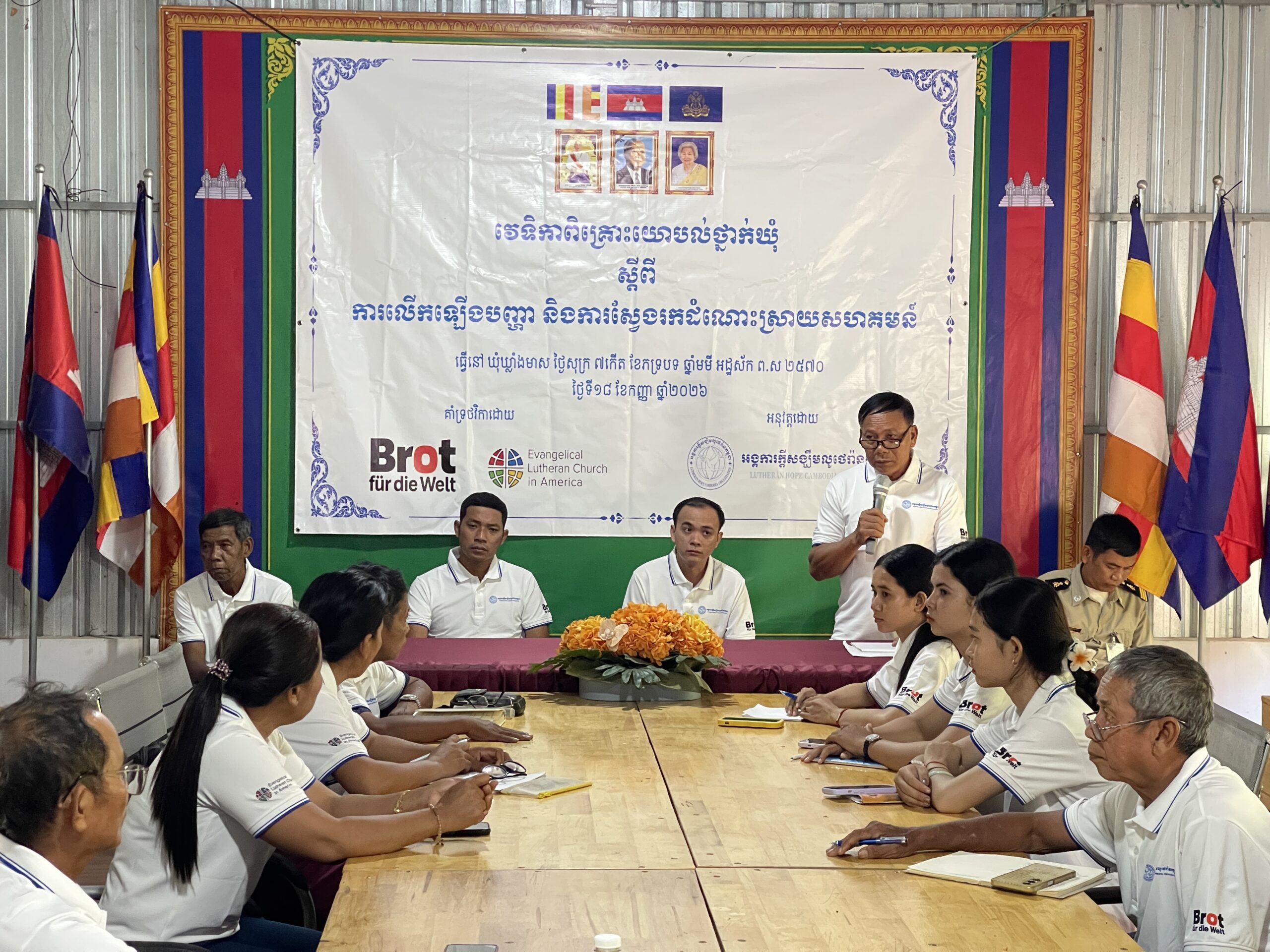 Commune-Level Consultation Forum Strengthens Legal Awareness and Dispute Resolution
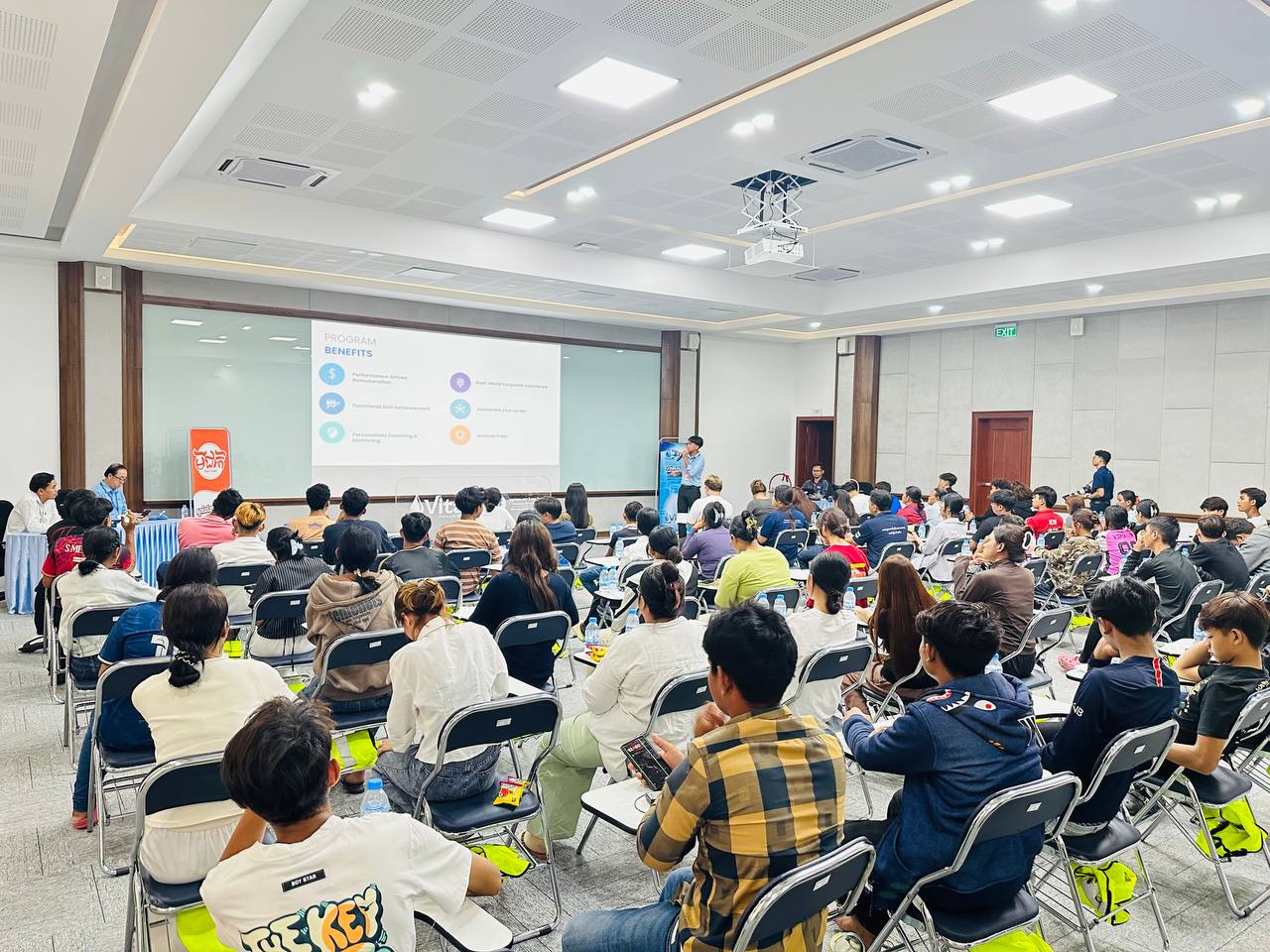 Inspiring Future Careers: Youth Gain Practical Insights
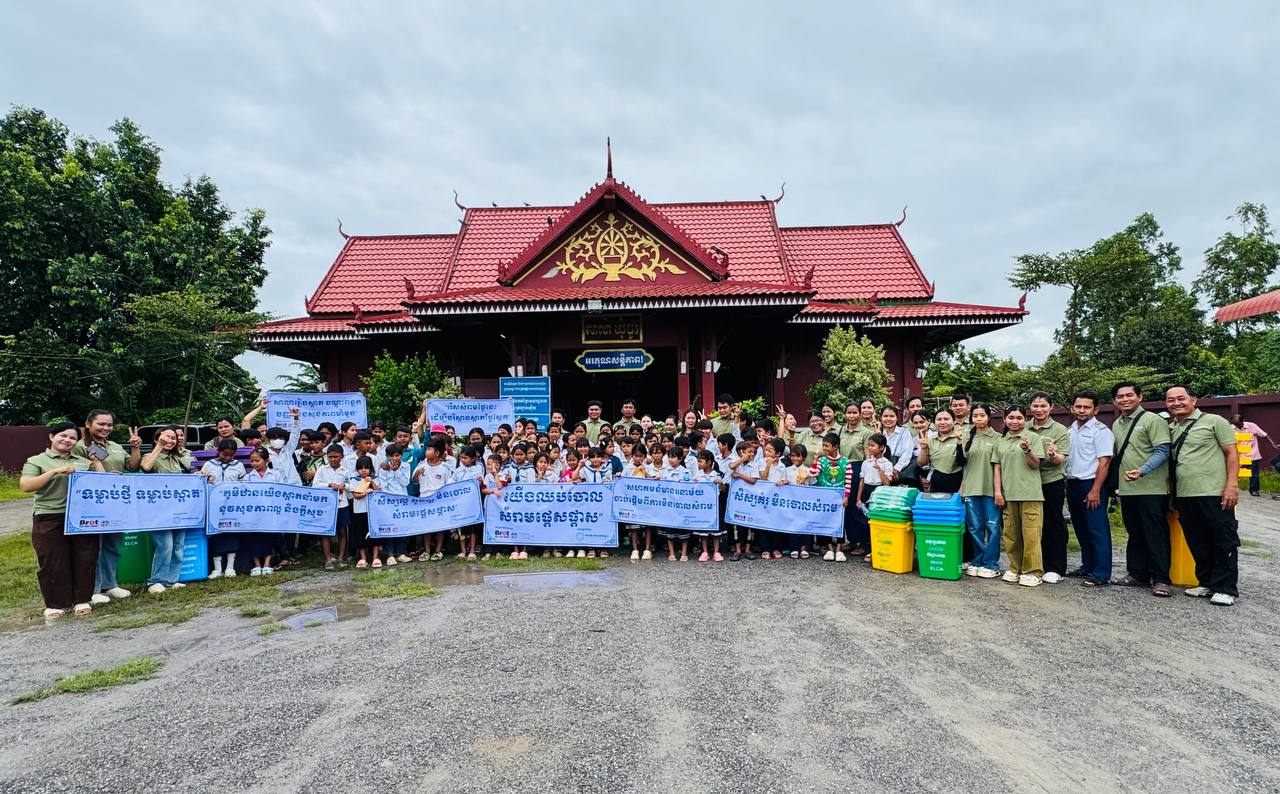 Building a Cleaner Community Through Waste Management and Environmental Action
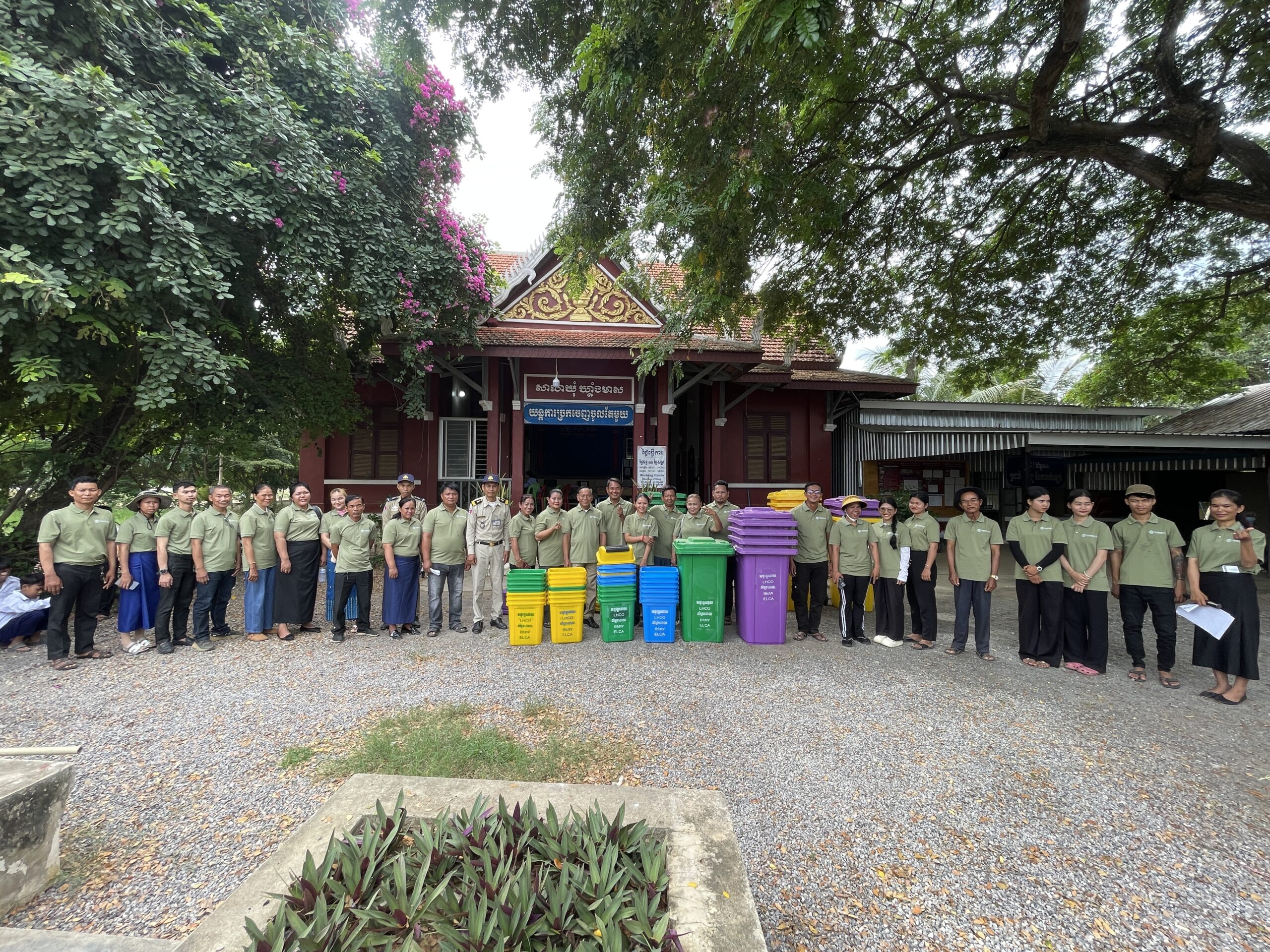 School and Community Cleanup Campaign Promotes Waste Management and Environmental Sustainability in Khleang Meas Commune